
Benefits of Prayer (Salah) - According to Qur'an & Hadith's.
What is Salah(prayer):
Salah (prayer) is the very essential act and must do act of worship in Islam, commanded by Allah in the Qur’an and lived out by the Prophet Muhammad ﷺ in authentic Hadith, such as Sahih Bukhari. Salah(salat) is the second pillar of Islam and the most direct way a believer communicates with their Allah. We have to must pray our daily five times prayer(salah) on time of salat-ul-Fajr, Zuhr, Asr, Maghrib, and Isha. These five prayers are mandatory for us to pray.
According to the Quran:
Surah Taha (20:14) -
‘.إِنَّنِىٓ أَنَا ٱللَّهُ لَآ إِلَـٰهَ إِلَّآ أَنَا۠ فَٱعْبُدْنِى وَأَقِمِ ٱلصَّلَوٰةَ لِذِكْرِىٓ –
‘It is truly I. I am Allah! There is no god ˹worthy of worship˺ except Me. So worship Me ˹alone˺, and establish prayer for My remembrance.”
-In this verse, Allah is commanding us to Pray salah and perform Salah for Rememberance.
Surah Al-Isra (17:78) -
‘أَقِمِ ٱلصَّلَوٰةَ لِدُلُوكِ ٱلشَّمْسِ إِلَىٰ غَسَقِ ٱلَّيْلِ وَقُرْءَانَ ٱلْفَجْرِ ۖ إِنَّ قُرْءَانَ ٱلْفَجْرِ كَانَ مَشْهُودًۭا
‘Observe the prayer from the decline of the sun until the darkness of the night and the dawn prayer, for certainly the dawn prayer is witnessed ˹by angels˺.”
-This verse outlines the five daily prayers: Fajr, Dhuhr, Asr, Maghrib, and Isha, and Also to recite Quran.
Surah Al-Ankabut (29:45) -
ٱتْلُ مَآ أُوحِىَ إِلَيْكَ مِنَ ٱلْكِتَـٰبِ وَأَقِمِ ٱلصَّلَوٰةَ ۖ إِنَّ ٱلصَّلَوٰةَ تَنْهَىٰ عَنِ ٱلْفَحْشَآءِ وَٱلْمُنكَرِ ۗ وَلَذِكْرُ ٱللَّهِ أَكْبَرُ ۗ وَٱللَّهُ يَعْلَمُ مَا تَصْنَعُونَ
‘Recite what has been revealed to you of the Book and establish prayer. Indeed, ˹genuine˺ prayer should deter ˹one˺ from indecency and wickedness. The remembrance of Allah is ˹an˺ even greater ˹deterrent˺. And Allah ˹fully˺ knows what you ˹all˺ do.”
-This verse tells about, that prayer stops us from doing bad deeds and prohibits us from going on wrongdoing things.
Benefits of Prayer :
1. Salah(prayer) cleanses sins like water cleanses dirt from body:
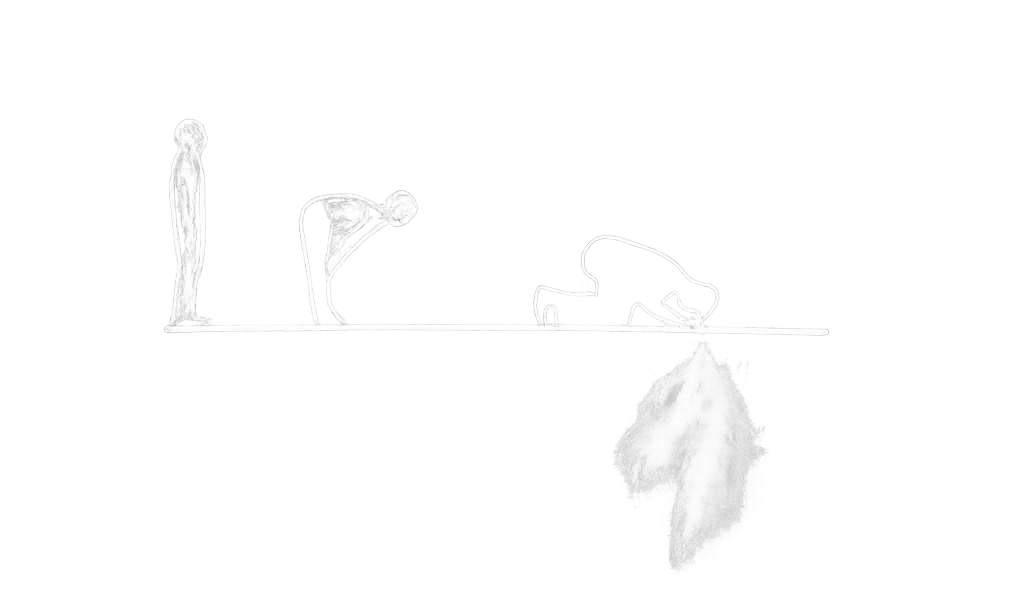
Explanation :
According to this hadith it clears that ‘Salah Removes our Sins’.
In this hadith our Prophet Muhammed (ﷺ) says, If you take bath 5 times a day, is there any dirt that still present on yout body. “NO Right”.
Exactly like this, if you pray five daily prayers every day your sins also get erased.(see image)
Narrated Abu Huraira:
I heard Allah’s Messenger (ﷺ) saying, “If there was a river at the door of anyone of you and he took a bath in it five times a day would you notice any dirt on him?” They said, “Not a trace of dirt would be left.” The Prophet (ﷺ) added, “That is the example of the five prayers with which Allah blots out (annuls) evil deeds.”
Other References:
2. Prayer is the first thing Judged on 'Day of Judgement' :
Hurayth ibn Qabisah:
When I came to Madinah, I prayed, “O Allah! let me have a righteous companion.” So, I sat down with Abu Hurayrah (RA) and said to him “I requested Allah to let me have a righteous companion. So, narrate to me a Hadith that you may have heard from Allah’s Messenger that Allah may benefit me with it.” So, he said, “I heard Allah’s Messenger (SAW) say, “The first thing a slave will be called to account from his deeds on the Day of Resurrection will be his salah. So, if it is correct then he will succeed and earn deliverance, but if it is corrupted then he will fail and lose. If there is some shortcoming in his fard, the Lord Blessed and Elevated will say, ‘Examine and see! Has My slave any optional deeds that the shortcomings in the fard might be offset.’ Then all his deeds will be (recompensed) in that way.’
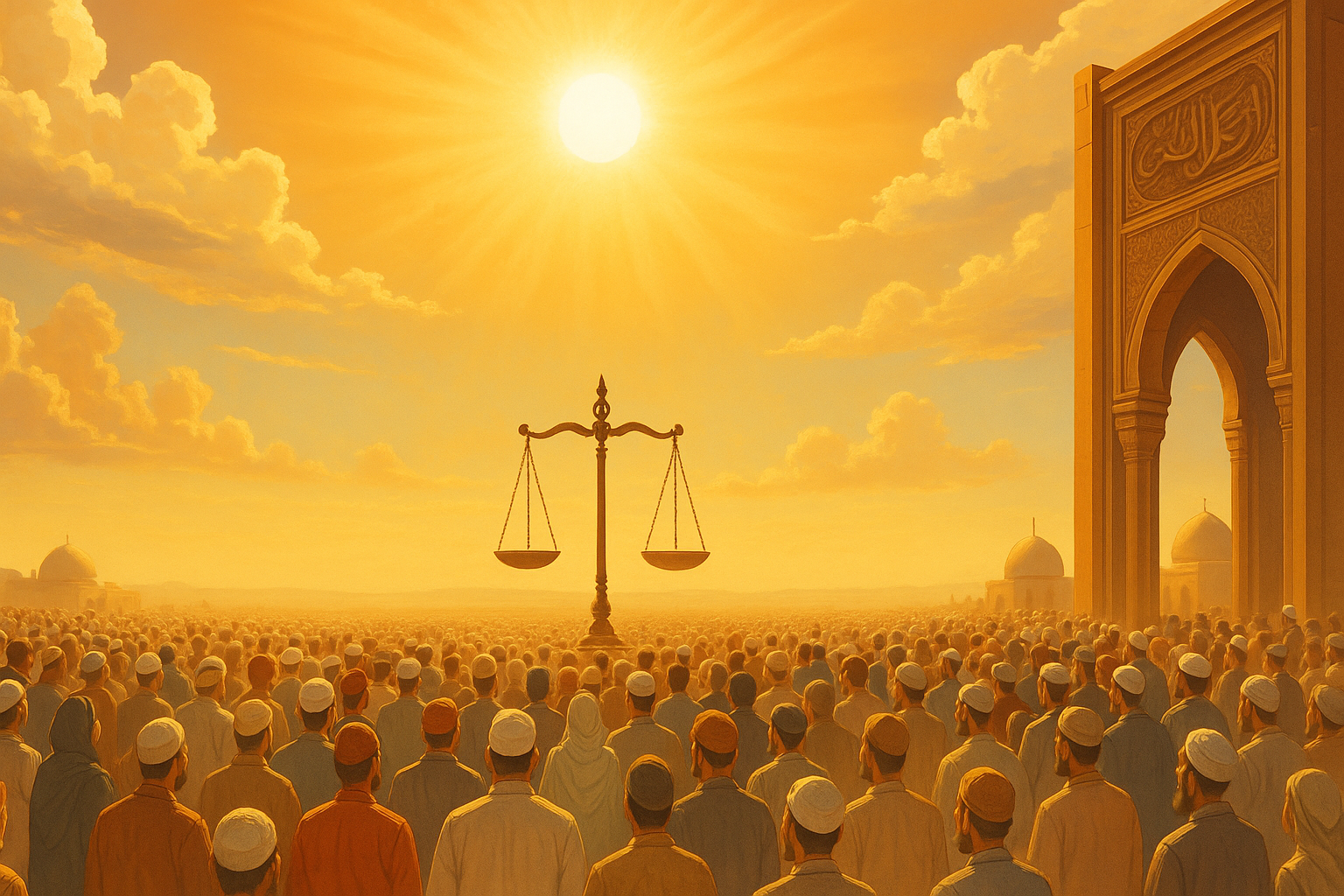
Explanation :
In this hadith ‘Abu Hurayrah (RA) narrates: I heard that our prophet Muhammed (ﷺ) said : The first thing or Deed that is seen on the Day of judgement(al-Qiyama) is Salah(our prayer).
So, if you Pass in this stage, then you will succeed but if its failed then yo will losed.
“This hadith tells us about the ‘Importance of Salah(prayer) in our Life.
3. Salah Protect's you from Hellfire (jahannam) :
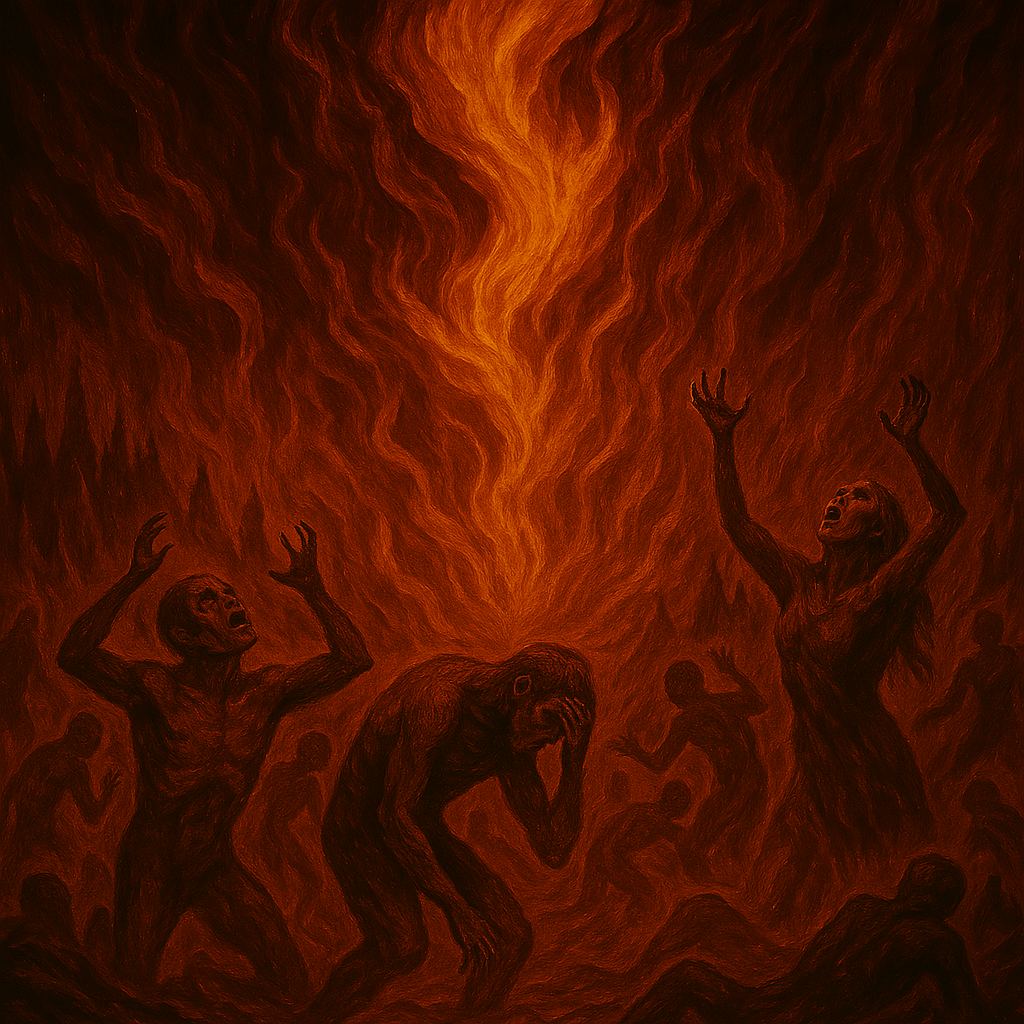
Explanation :
From this Hadith we can get clarify that ‘Salah (prayer) prevents us from Jahannam’.
In this hadith our prophet Muhammed(ﷺ) says : “The one who performs the prayer before the rising of the sun (means Fajr prayer) and before the setting of the sun (means Asr prayer), will not Enter Jahannam(hell fire).”
-This Hadith tells us about the Importance of Fajr and Asr prayer.
‘Umara b. Ruwaiba is reported to have said on the authority of his father:
I heard the Messenger of Allah (ﷺ) saying: He who observes prayer before the rising of the sun and its setting, i.e. the dawn prayer and the afternoon prayer, would not enter the (Hell) fire. A person belonging to Basra said to him: Did you yourself hear it from the Messenger of Allah (ﷺ)? He said: Yes. The person (from Basra) said: I bear witness that I heard it from the Messenger of Allah (ﷺ); my ears heard it and my heart retained it.
4. Salah Is a Direct Connetion & Conversation with Allah
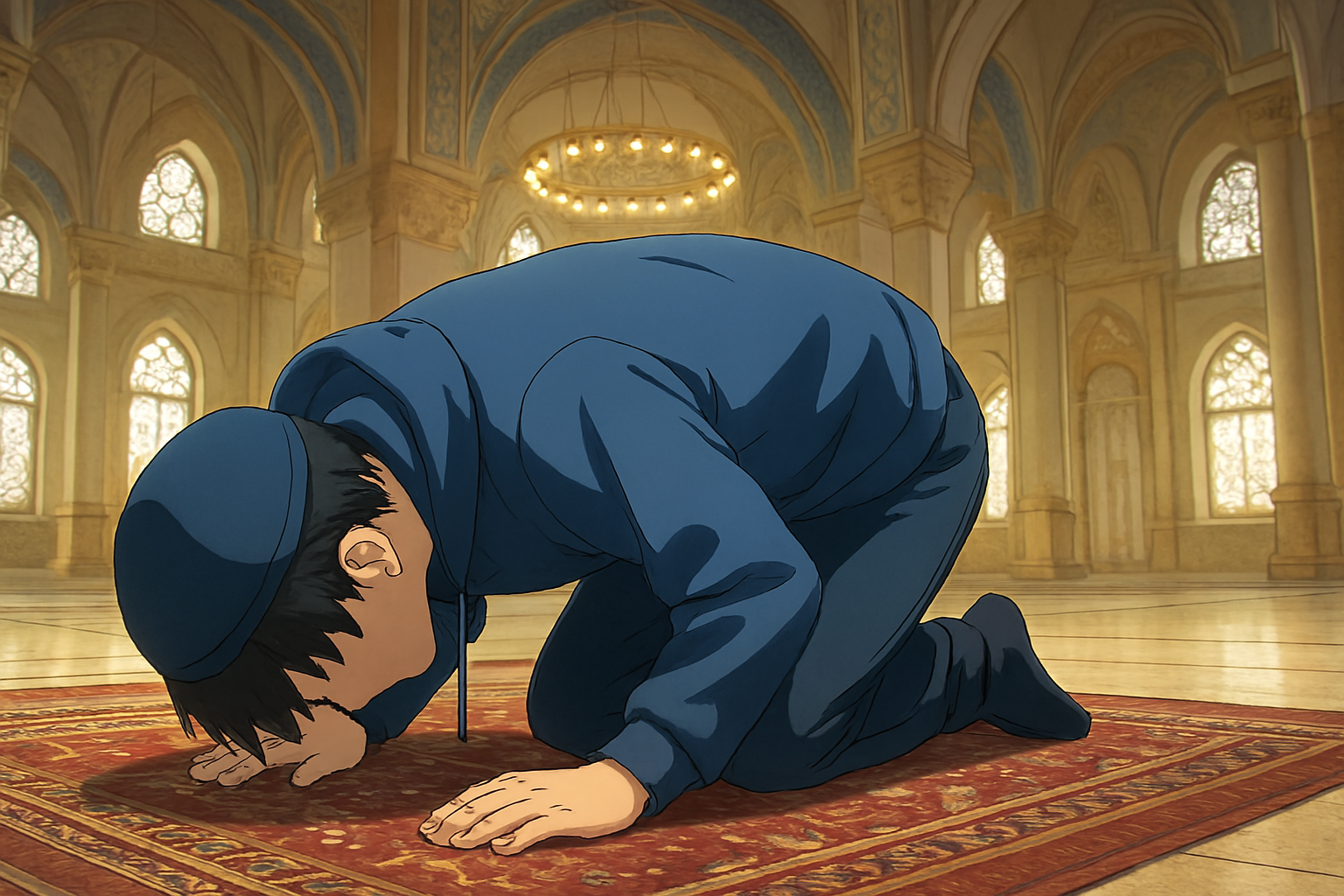
Explanation :
Did you read that Beautifull hadith! in which ‘Allah
(SWT) had said, My servant will Receives Everything he asks…
From this Hadith we can clarify two things:
- Salah is the direct connection between the Servant and Allah(swt).
- From Salah ‘My servant Receives everything he wants(Allah said.)
- We can see that in this Hadith the servant is Reciting ‘Surah-al-Fatiha’. Our Prophet Muhammed (ﷺ) is saying “Whoever does not recite Surah-al-fatiha in his salah, His Prayer or Salah is invalid and not completed.
-This Hadith is saying us about the Importance of Surah-al-fatiha in our prayers and connection between the servant and Allah.
‘Narrater ‘Abu Hurairah said:
The Apostle of Allah (ﷺ) said: If anyone observes prayer in which he does not recite Umm al-Qur’an, It is deficient [he said this three times] and not complete. It was said to Abu Huraira: At times we are behind the Imam. He said: Recite it inwardly, for he had heard the Messenger of Allah (ﷺ) declare that Allah the Exalted had said: I have divided the prayer into two halves between Me and My servant, and My servant will receive what he asks. When the servant says: Praise be to Allah, the Lord of the universe, Allah the Most High says: My servant has praised Me. And when he (the servant) says: The Most Compassionate, the Merciful, Allah the Most High says: My servant has lauded Me. And when he (the servant) says: Master of the Day of judgement, He remarks: My servant has glorified Me. and sometimes He would say: My servant entrusted (his affairs) to Me. And when he (the worshipper) says: Thee do we worship and of Thee do we ask help, He (Allah) says: This is between Me and My servant, and My servant will receive what he asks for. Then, when he (the worshipper) says: Guide us to the straight path, the path of those to whom Thou hast been Gracious not of those who have incurred Thy displeasure, nor of those who have gone astray, He (Allah) says: This is for My servant, and My servant will receive what he asks for. Sufyan said: ‘Ala b. ‘Abd al-Rahman b. Ya’qub narrated it to me when I went to him and he was confined to his home on account of illness, and I asked him about it.
5. It's the Deed that is dearest(loved one) to Allah

Explanation :
In the following hadith Our Prophet Muhammed (ﷺ) gives us some most good deeds that Allah(SWT) loves most:
- Praying salah at their fixed times.
- Respect your parents and listen to them and do not hurt them.
- Participate in jihad(religious fighting).
-From this Hadith we can learn that “Praying salah at its fixed times is dearest to Allah and Respecting your parents is also dearest to Allah”.
‘Narrater ‘Abdullah said:
I asked the Prophet (ﷺ) “Which deed is the dearest to Allah?” He replied, “To offer the prayers at their early stated fixed times.” I asked, “What is the next (in goodness)?” He replied, “To be good and dutiful to your parents” I again asked, “What is the next (in goodness)?” He replied, ‘To participate in Jihad (religious fighting) in Allah’s cause.” `Abdullah added, “I asked only that much and if I had asked more, the Prophet (ﷺ) would have told me more.”
-Did you enjoyed the article and want part-2 then leave a comment of ‘YES’ below.